Główna różnica polega na podejściu do leczenia. Fizjoterapia często koncentruje się na konkretnej dolegliwości i jej objawach, wykorzystując ćwiczenia, masaż i techniki fizykalne do przywracania funkcji. Osteopatia natomiast traktuje organizm jako całość, szukając pierwotnej przyczyny problemu w zaburzeniach ruchomości tkanek w całym ciele, nawet jeśli pozornie nie są związane z główną dolegliwością. Obie dziedziny często się uzupełniają, prowadząc do kompleksowej poprawy zdrowia.
Our services
The Complete Package for Your Health
Our centre offers a comprehensive approach to your health, providing a wide range of services tailored to your individual needs.
It is based on the assumption that the human body is a coherent whole in which all systems influence each other. Osteopaths focus on musculoskeletal structures, the nervous system and internal organs, using manual techniques to improve the functioning of the body and support regenerative processes.
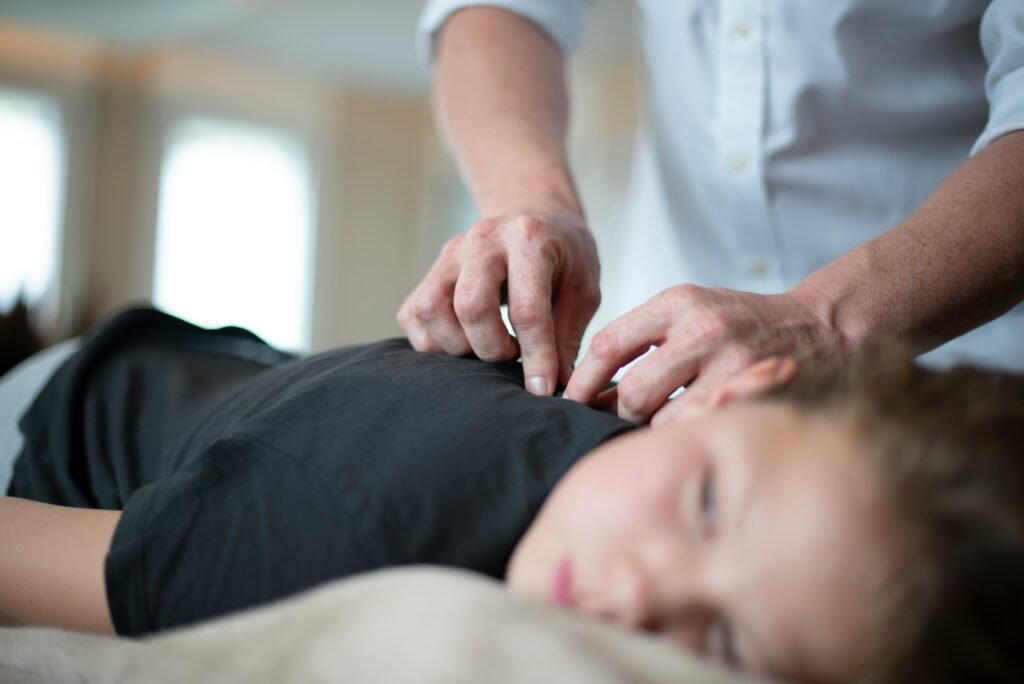
He deals with the diagnosis and non-invasive treatment of disorders and problems occurring within the musculoskeletal system, improving the functioning of the musculoskeletal system, and assisting in recovery from joint and muscle injuries.
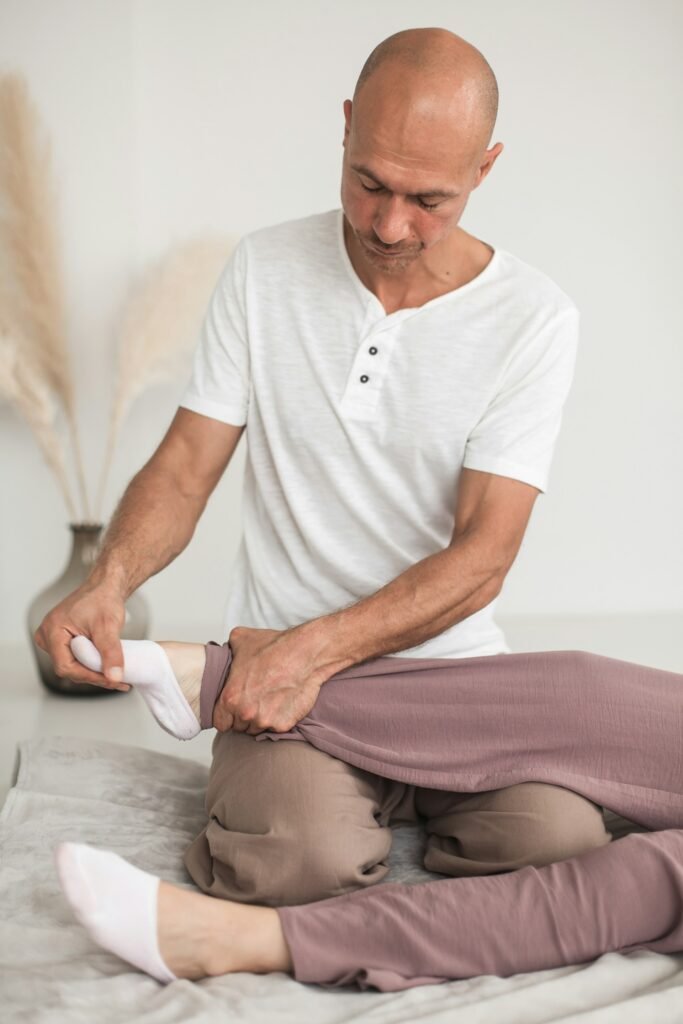
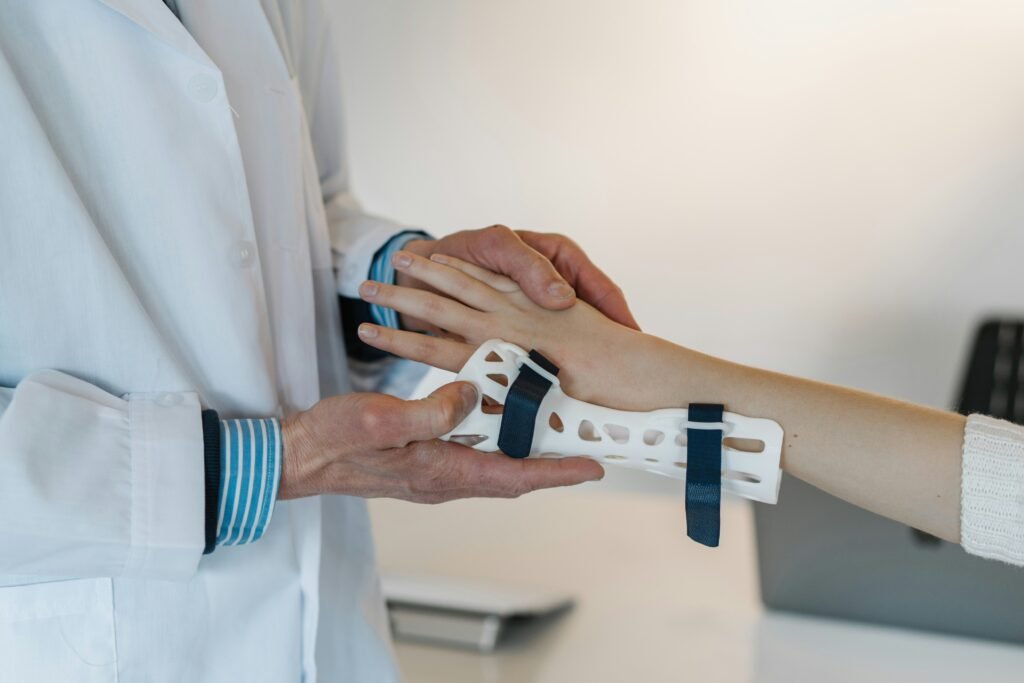
He diagnoses and treats diseases of the musculoskeletal system: bones, joints and muscles. Patients can consult him on hand surgery, spinal injuries and leg injuries.
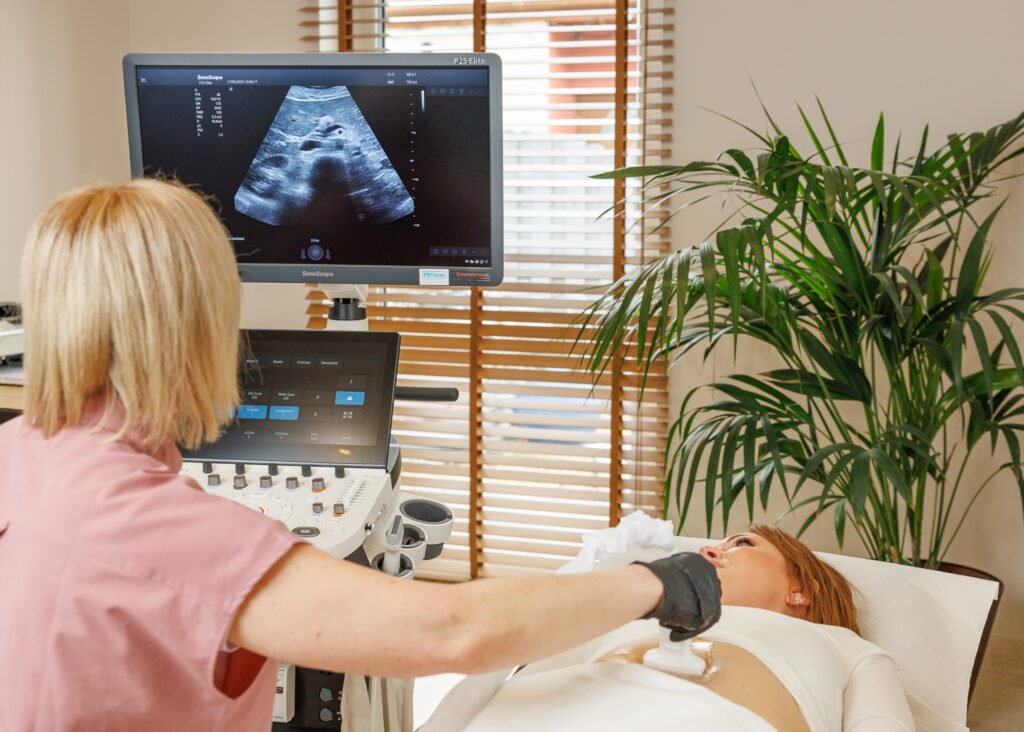
Thanks to the image obtained on the screen in real time during the examination, the doctor can detect, among other things, nodules, thickening, cysts or fibroids, and even recognise the development of cancer.
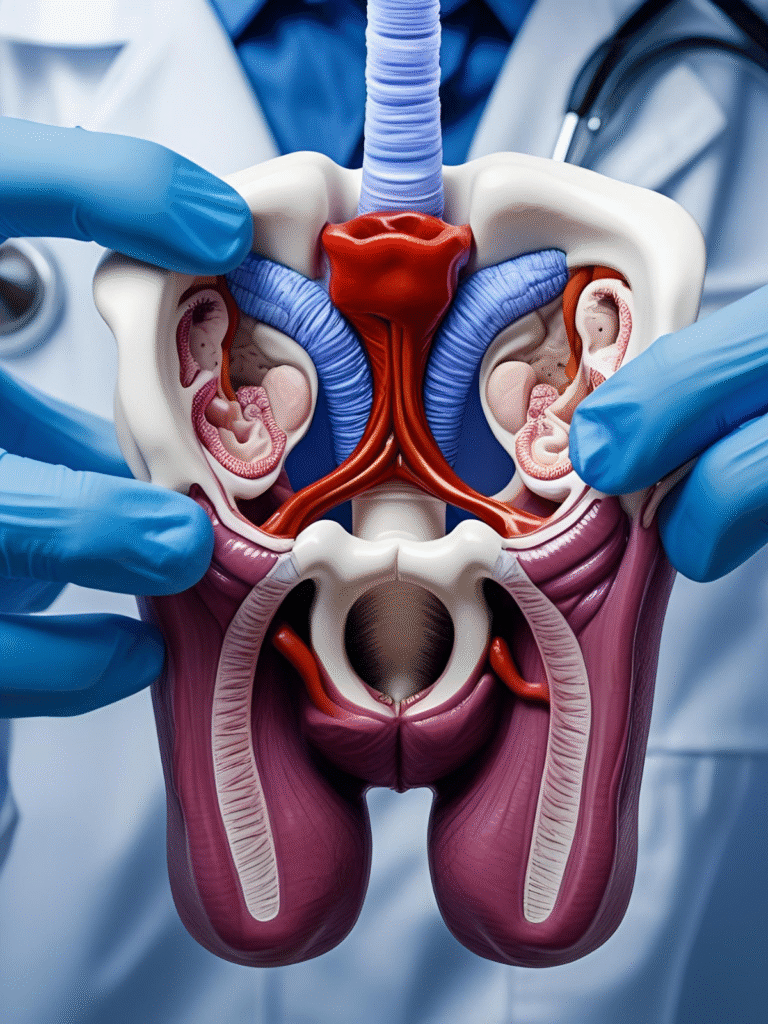
A branch of medicine dealing with diseases of the urinary tract. The work of a urologist involves, in particular, the diagnosis and treatment of congenital and acquired diseases of the penis, testicles, bladder and kidneys.
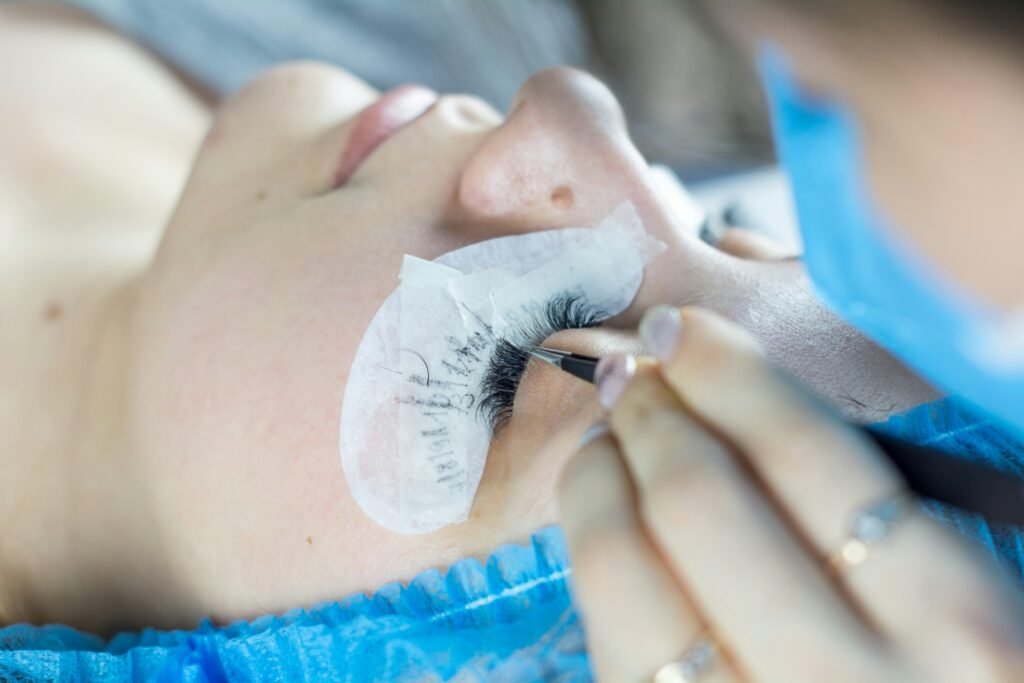
It focuses on treating skin with various problems, such as wrinkles or dryness. The result of these treatments is an improvement in the patients’ appearance, well-being and self-confidence.
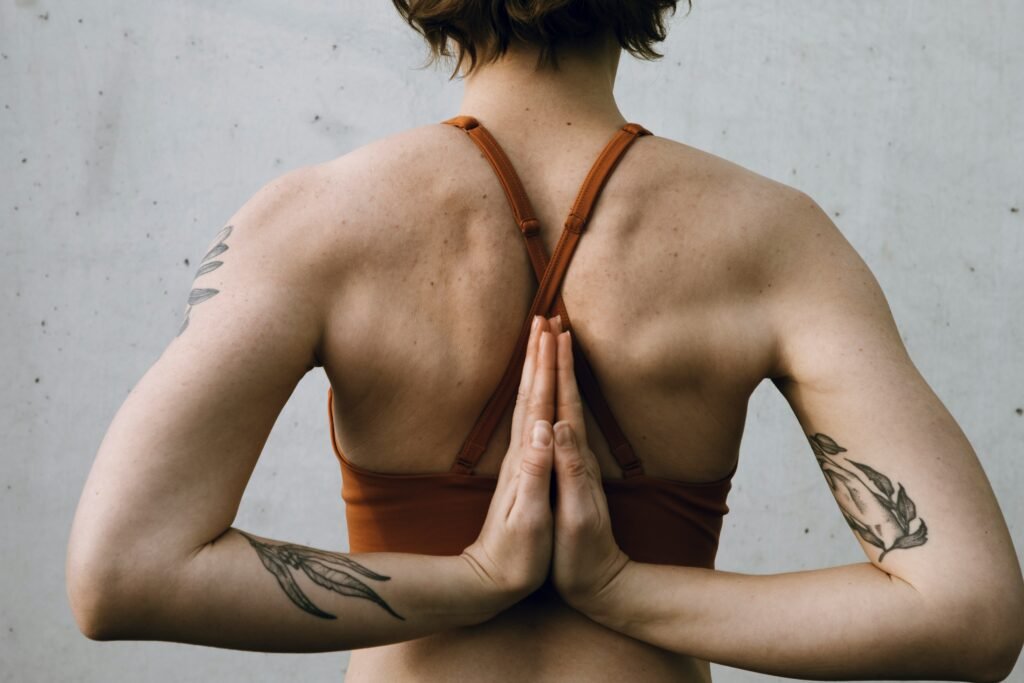
Fitness classes strengthen the body, while meditation helps build self-awareness, calm the mind and promote relaxation.
How to prepare for your visit?
Gather the necessary documents:
Prepare all relevant test results (e.g. X-rays, MRIs, ultrasounds), medical history, list of medications, and information about previous injuries or surgeries. This will allow the specialist to understand your case more quickly.

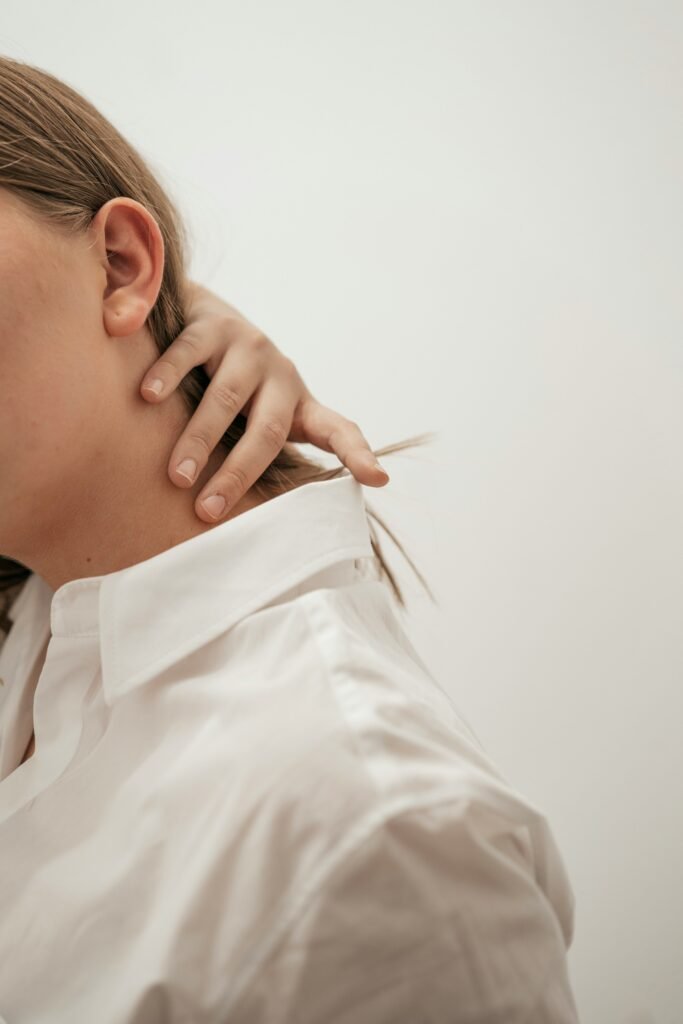
Describe your symptoms:
Think carefully about what hurts, when the pain intensifies or subsides, what causes it, and what alleviates it. Try to describe the intensity of the pain and how it affects your daily functioning. The more precisely you describe it, the easier it will be to make the correct diagnosis.
Dress comfortably:
Wear loose, comfortable clothing that will allow the specialist to examine you freely and use manual techniques if necessary. In some cases, you may need to undress down to your underwear, so keep this in mind.

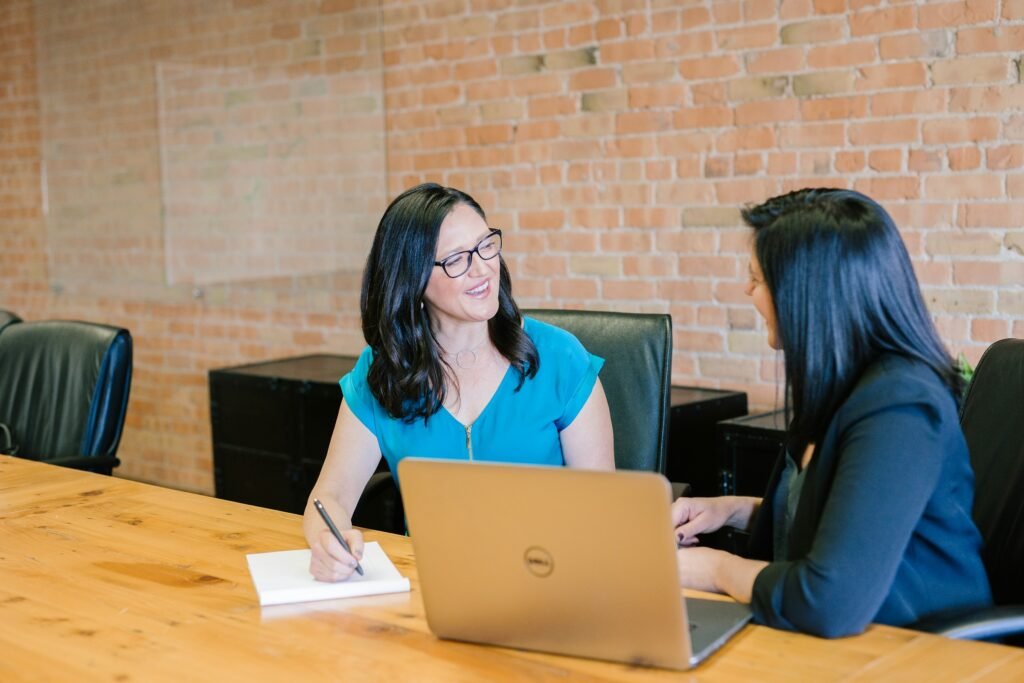
Prepare questions and be open:
Write down all the questions you want to ask about your health, treatment plan, or prognosis. Be open to dialogue and ready to share detailed information – this is the key to effective therapy.
Frequently asked questions
An osteopath is a manual medicine specialist with extensive knowledge of anatomy, physiology, biomechanics and pathophysiology. Thanks to their deep understanding of how the human body works and their precise manual techniques, osteopaths can diagnose and treat a variety of ailments, often even those that at first glance seem unrelated.
The aim of osteopathic therapy is to find the root cause of the problem, not just to alleviate the symptoms. An osteopath treats the body as a whole, looking for disorders in the mobility of tissues – muscles, joints, internal organs and even the nervous system. Through gentle and precise manual techniques, they aim to restore the body’s natural balance and ability to heal itself.
Osteopathy can be helpful for a wide range of problems, including:
- Back and joint pain: Acute and chronic pain in the back, neck, shoulders, hips and knees.
- Headaches and migraines: Often associated with tension in the neck and head.
- Digestive problems: Some conditions, such as reflux or flatulence, may have a mechanical cause.
- Pregnancy and childbirth-related conditions: Back pain, sciatica, preparing the body for childbirth.
- Problems in infants and children: Colic, feeding problems, positional asymmetries.
- Sports injuries: Assistance in recovery and return to full fitness.
- Post-traumatic and post-operative conditions: Support in the convalescence process.
- Chronic fatigue and stress: Osteopathy can help reduce tension and improve overall well-being.
It is worth considering visiting an osteopath with your baby after a difficult birth, in cases of positional asymmetry, colic or feeding problems. Older children can benefit from therapy for posture defects, back pain, headaches or after injuries. Gentle osteopathic techniques support the proper development and overall well-being of the child. If in doubt, it is always worth consulting a specialist.
The main difference lies in the approach to treatment. Physiotherapy often focuses on a specific condition and its symptoms, using exercises, massage and physical techniques to restore function. Osteopathy, on the other hand, treats the body as a whole, looking for the root cause of the problem in tissue mobility disorders throughout the body, even if they are not apparently related to the main ailment. The two fields often complement each other, leading to comprehensive health improvement.